New Scientist - 31 May 2023 12:00

Macaques living on Yakushima Island in the 1980s experienced severe enamel hypoplasia, probably caused by extreme stress resulting from human activities
Live Science - 31 May 2023 22:41
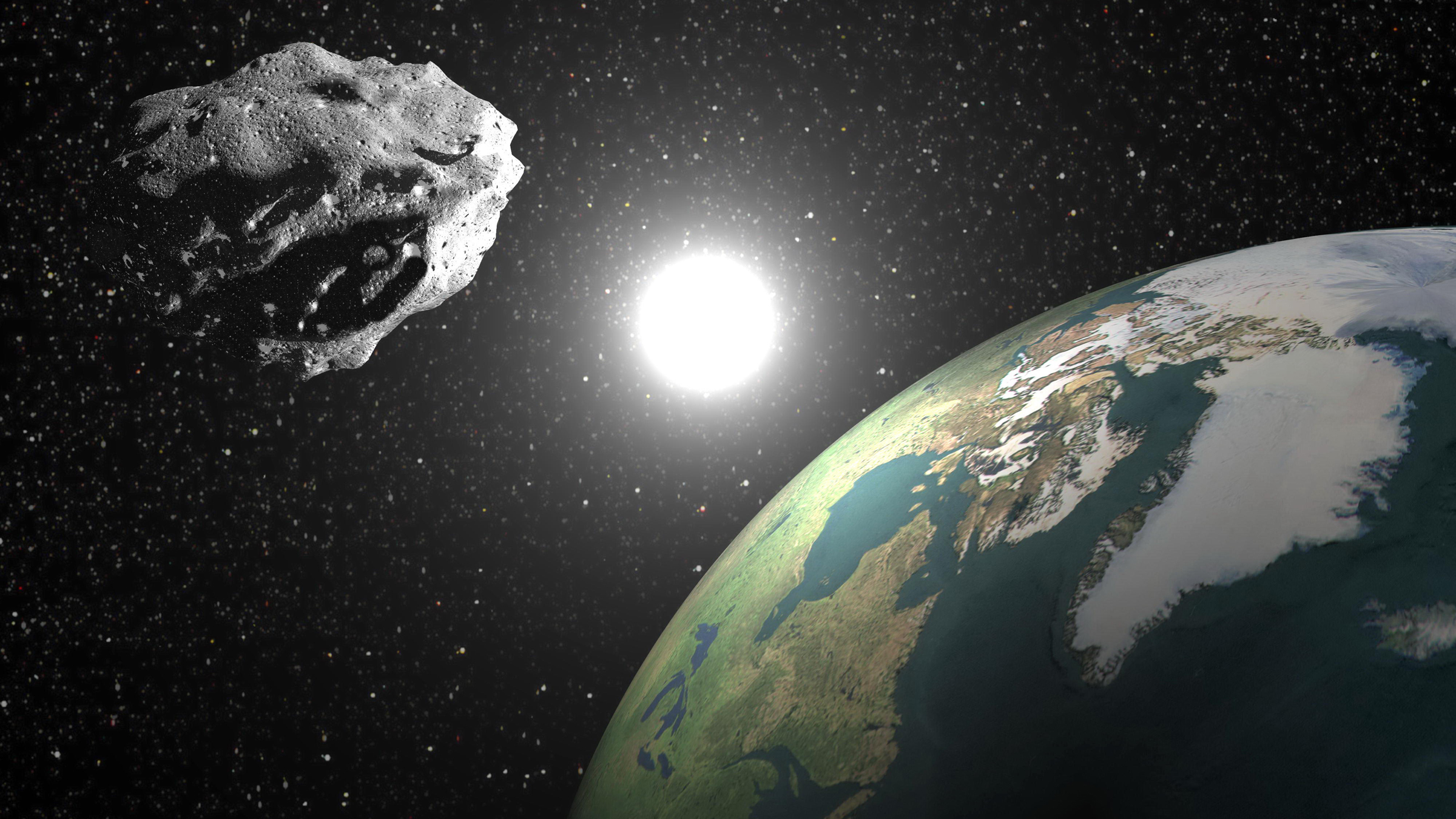
Astronomers recently identified asteroid 2023 FW13 as a quasi-moon, a space rock orbiting the sun nearly in tandem with Earth.
Live Science - 31 May 2023 22:27
A study suggests that more U.S. teens with obesity are getting weight-loss surgeries, in line with official guidelines from the American Academy of Pediatrics.
New Scientist - 31 May 2023 22:00

Men who tried a high-fat, high-sugar diet developed disrupted electrical brain activity during the deepest stage of their sleep, suggesting that the food reduced their sleep quality
Live Science - 31 May 2023 21:00
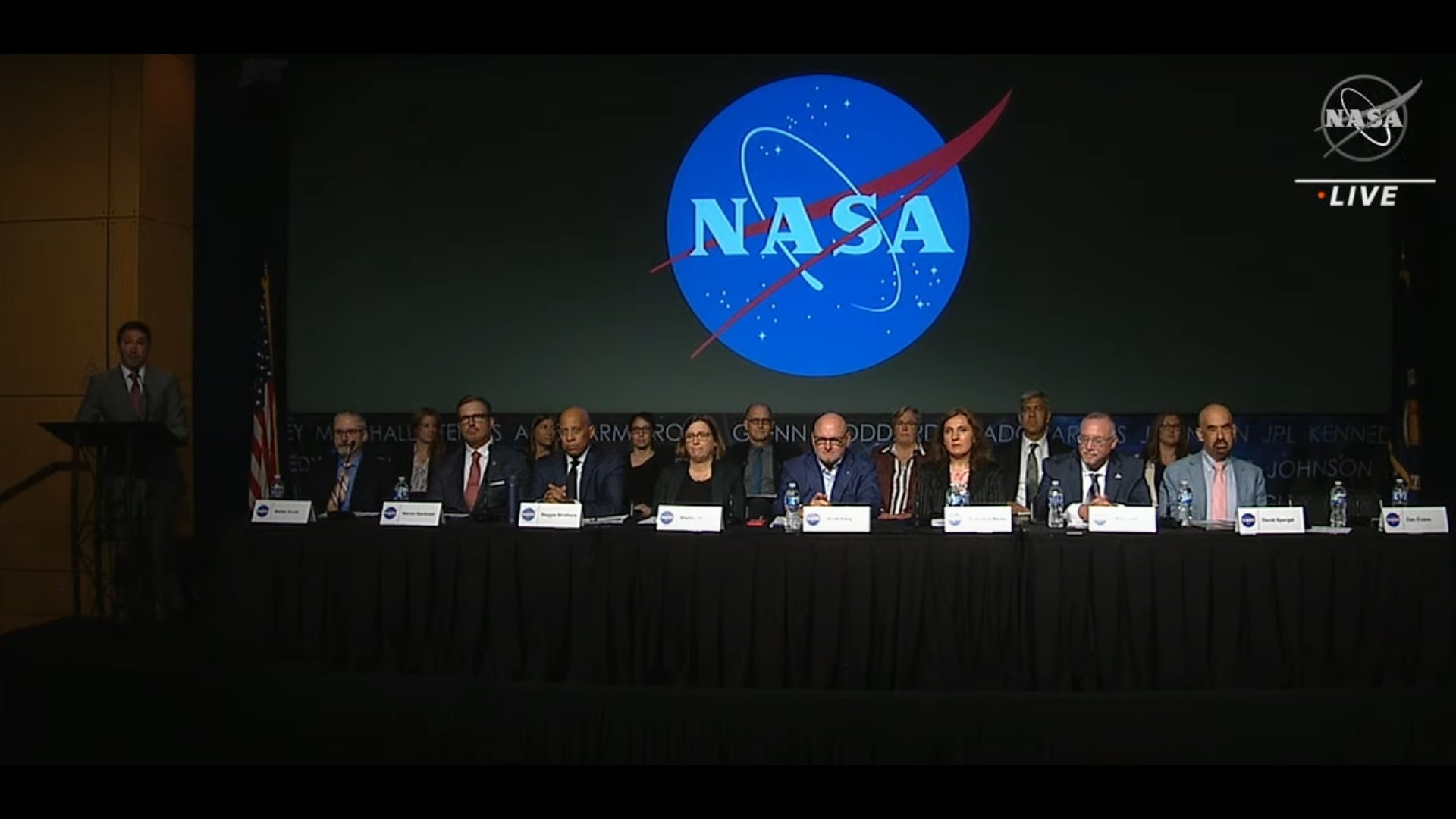
The government is investigating hundreds of military UFO reports, but only a small fraction are truly "anomalous."
Phys.org - 31 May 2023 20:54

Whether it's baking a cake, building a house, or developing a quantum device, the quality of the end product significantly depends on its ingredients or base materials. Researchers working to improve the performance of s...
Live Science - 31 May 2023 20:33

Déj vu, the feeling of having experienced something before, is very common, but why does it happen?
New Scientist - 31 May 2023 20:00

Stem cells found within babies' umbilical cords, normally discarded as medical waste, could help people newly diagnosed with type 1 diabetes reduce their need for insulin injections
New Scientist - 31 May 2023 20:00

Controversial author Peter Singer, who inspired the animal rights movement, explains why killing humanely reared animals may be a defensible ethical position and why he has rewritten Animal Liberation for the 21st centur...
New Scientist - 31 May 2023 20:00

Being a genius doesn't stop you looking directly at an eclipse or letting a trivial row prevent you finding a planet, says Katie Spalding in her new book
New Scientist - 31 May 2023 20:00

I thought there was no way around cheese being an environmental and ethical disaster, but a new approach to dairy farming has proved me wrong, says Graham Lawton
New Scientist - 31 May 2023 20:00

Amphibians could help cure our ills, from diabetes to fungal infections - if they don't go extinct first, says Matthew Gould
New Scientist - 31 May 2023 20:00

Helen Czerski's fascinating new book casts the ocean as an extraordinary giant engine, and helps us grasp its complex physics and its key role in climate change
Phys.org - 31 May 2023 19:57

Electron microscopes give us insight into the tiniest details of materials and can visualize, for example, the structure of solids, molecules or nanoparticles with atomic resolution. However, most materials in nature are...
New Scientist - 31 May 2023 19:02

Saturn's moon Enceladus has a water ocean that makes it one of the most promising places to search for life, and water is spewing out of it in a jet bigger than any we have seen before
Phys.org - 31 May 2023 18:39

A team of scientists from Ohio University, Argonne National Laboratory, the University of Illinois-Chicago, and others, led by Ohio University Professor of Physics, and Argonne National Laboratory scientist, Saw Wai Hla,...
Phys.org - 31 May 2023 18:02

A team led by Prof. Guo Guangcan from the University of Science and Technology of China (USTC) has made significant progress in the research of multilevel quantum system tunability.
Phys.org - 31 May 2023 18:01

Vortices of light, null regions of intensity surrounded by spiral phases, make up the skeleton of a wavefield and influence the properties of light. Since the discovery of the tight connection of optical vortices and orb...
New Scientist - 31 May 2023 18:00

Desert ants construct mounds to help them navigate the featureless landscape of the North African salt pan
New Scientist - 31 May 2023 18:00

A bacterium found in English oak buds can help separate out the rare earth elements used in technologies such as electric cars and wind turbines
New Scientist - 31 May 2023 17:29

NASA's group that formed around a year ago to study unidentified aerial phenomena is holding its first public meeting ahead of a report expected in the next few weeks
New Scientist - 31 May 2023 17:29
NASA's group that formed around a year ago to study unidentified aerial phenomena is holding its first public meeting ahead of a report expected in the next few weeks
 American
Science News for 31 May 2023
American
Science News for 31 May 2023
 Global
 Great Britain
 Indian
 South Africa